
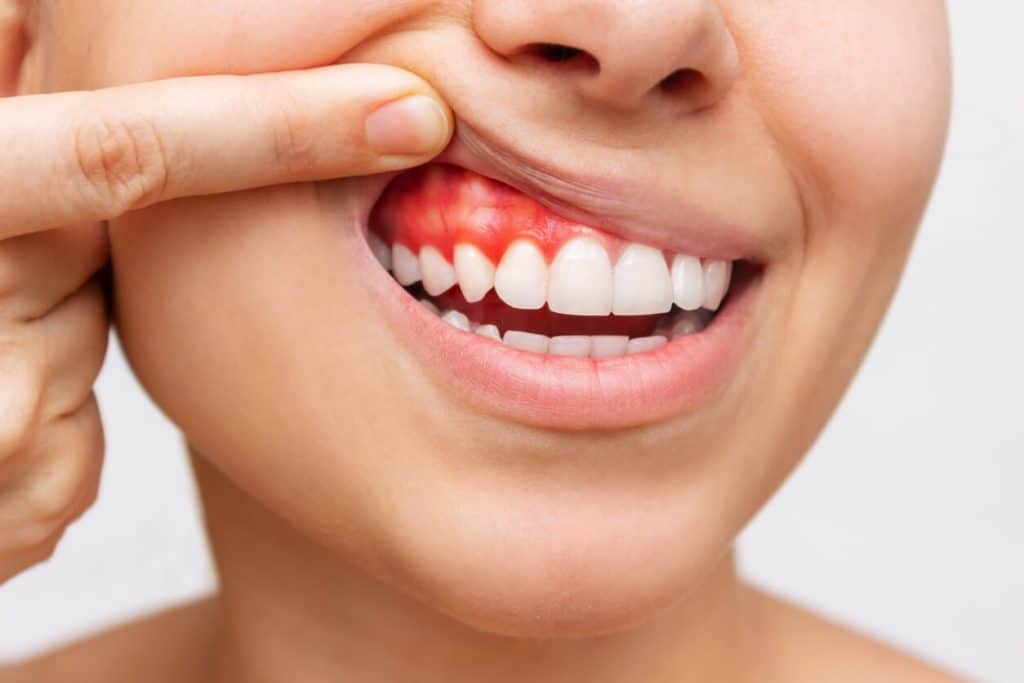
If you have a swollen gum in one spot, it can be surprisingly distracting. Your whole mouth may feel normal except for that one tender area that seems to flare up every time you eat, brush, or run your tongue across it. Sometimes it feels like a small bump. Other times it feels sore, puffy, or irritated for no obvious reason.
The good news is that localized gum swelling is common, and it does not always mean something severe is happening. But it is also not something to ignore. A single swollen area on the gums can be your body’s way of pointing directly at a problem tooth, trapped food, gum infection, irritation, or another issue that needs attention.
At Discovery Dental, we help patients in Shelby, OH, and surrounding communities figure out what is causing discomfort and how to treat it before it turns into something bigger. If you have been wondering, why do my gums feel swollen in one spot? here is what may be going on.
A Swollen Gum in One Spot Usually Means a Local Problem
When the gums are swollen all over, dentists often look at broader causes like gingivitis, medication side effects, hormonal changes, or generalized oral hygiene concerns. But when swelling shows up in just one area, it often points to a problem that is happening right there, in that exact location.
Think of it like one ceiling tile in a house developing a water stain. You would not assume the entire roof is collapsing. You would start by looking directly above that spot. The same idea applies to a swollen gum in one spot. The issue may be tied to one tooth, one pocket of bacteria, one trapped piece of food, or one area of irritation.
That is why paying attention to the details matters. Is the area painful? Is there bleeding? Does it hurt when you chew? Is there a bump, a bad taste, or sensitivity to hot and cold? Those clues can help narrow down the cause.
Food Trapped Between Teeth Can Cause Localized Swelling
One of the simplest causes of gum swelling in one spot is food debris wedged between two teeth or tucked under the gumline. Popcorn hulls are a classic offender, but seeds, chips, shredded meat, and even fibrous vegetables can do it too.
When food gets stuck and stays there, the gum tissue reacts. It becomes irritated and inflamed, and the area may feel sore or swollen within hours. Some people describe it as feeling like something is “jammed” in the gums, even if they cannot see anything in the mirror.
This kind of irritation can seem minor at first, but if the trapped debris is not removed, it can attract bacteria and lead to a more serious infection. If flossing gently does not solve the problem, it is best not to keep digging at it with fingernails, tweezers, or sharp objects. That can make the tissue even more inflamed and create a bigger wound.
Gingivitis Can Start in One Area Before It Spreads
Gingivitis is an early stage of gum disease caused by plaque buildup along the gumline. While many people think of gingivitis as affecting the whole mouth, it can absolutely start in one isolated spot, especially where brushing or flossing is being missed.
If one area consistently collects plaque, the gums there may become red, puffy, and prone to bleeding. You might notice the swelling when brushing your teeth or while eating crunchy foods. The spot may look darker or shinier than the surrounding gum tissue.
The tricky part is that gingivitis is often more annoying than painful, so people tend to put it off. But gums do not usually calm down on their own if plaque is still sitting there day after day. Professional cleaning and improved home care can often reverse gingivitis before it progresses into more advanced gum disease.
A Gum Abscess or Dental Infection Could Be the Cause
If the swollen area is painful, warm, throbbing, or producing a bad taste in your mouth, an infection may be involved. A gum abscess is a pocket of infection that can form in the gum tissue, often creating a swollen bump or tender area.
Sometimes the infection starts in the gums. Other times it begins in the tooth itself and drains toward the gums, making it seem like the gum is the only issue. In reality, the problem may be deeper below the surface.
A dental abscess is not something to “wait out.” Infections in the mouth can worsen quickly and may spread if left untreated. If you have swelling along with severe pain, pus, fever, facial swelling, or trouble swallowing, you should seek dental care as soon as possible. Discovery Dental provides emergency dentistry in Shelby for problems that need prompt attention.
You May Have Irritated the Gum by Brushing Too Hard
Not every swollen gum spot is caused by bacteria. Sometimes the tissue is simply injured. Brushing too aggressively, snapping floss into the gums, or poking the area with a toothpick can leave one section swollen and tender.
This is especially common if you recently switched to a firmer toothbrush, started brushing with more force, or tried to remove something stuck between your teeth. The gum tissue is durable, but it is not invincible. It can get scraped, bruised, or inflamed just like skin anywhere else on the body.
A lot of patients are surprised to learn that “scrubbing harder” does not equal cleaner teeth. In fact, gums usually respond better to gentle, consistent brushing with a soft-bristled toothbrush. If trauma is the cause, the area may settle down within a few days, but if it does not, a dental exam is the safest next step.
Canker Sores and Minor Mouth Irritations Can Mimic Swelling
Sometimes what feels like a swollen gum is actually a sore developing near the gumline. Canker sores can appear on the soft tissues of the mouth and may create a painful, inflamed area that feels larger than it looks.
These sores are not contagious, but they can be irritating enough to make eating and brushing uncomfortable. Acidic foods, stress, minor trauma, and even certain toothpastes can trigger them in some people. The tissue around the sore may look puffy or reddened, making it easy to mistake for generalized gum swelling.
In many cases, canker sores heal on their own. But if the area lasts longer than two weeks, keeps coming back, or looks unusual, it should be evaluated. Not every sore in the mouth is harmless, and it is always better to have a lingering spot checked by a dental professional.
An Impacted or Erupting Tooth Can Create Swelling in One Area
A tooth that is trying to erupt, or one that is partially trapped under the gums, can cause swelling in a very specific spot. This is often seen with wisdom teeth, but it can happen with other teeth as well.
When a tooth does not come in cleanly, the gum tissue around it can become inflamed. Food and bacteria may collect around the partially erupted area, leading to tenderness, swelling, and sometimes infection. Some patients describe it as a flap of gum that feels swollen or sore behind the last molar.
This kind of issue can be easy to ignore because symptoms may come and go. But if the swelling keeps returning, it usually means the area needs treatment. A dentist can determine whether the problem is temporary irritation or a sign that the tooth is not erupting properly.
A Cracked Tooth or Failing Dental Work May Irritate the Gums
A swollen gum in one spot is not always a gum problem first. Sometimes the gum is reacting to a nearby tooth that has a crack, cavity, loose crown, or failing filling. If bacteria get into the tooth or around old dental work, the surrounding tissue may become inflamed.
This can create a confusing situation where the gum seems to be the problem, but the real source is the tooth next to it. You may notice pain when biting down, sensitivity to temperature, or a sense that one tooth feels “off.”
The mouth is interconnected, and pain does not always announce itself neatly. A problem below the gumline can show up as pressure or puffiness above it. That is one reason a dental exam is so helpful. It allows the dentist to look at both the gum tissue and the underlying tooth structure.
Hormones, Stress, and Health Conditions Can Make One Spot Flare Up
Even though localized swelling often has a direct cause, your overall health can still influence how your gums respond. Hormonal changes, stress, dry mouth, diabetes, and certain medications can make gum tissue more reactive.
That does not necessarily mean these factors cause a single swollen spot by themselves. But they can lower your mouth’s tolerance for plaque, irritation, or minor injury. In other words, something small that might not bother you under normal circumstances can suddenly become noticeable.
If you have recurring gum inflammation, it is worth looking at the bigger picture too. Your dentist may ask about your medical history, medications, and recent changes in your health to help connect the dots.
When Should You Worry About a Swollen Gum in One Spot?
A little irritation that improves quickly may not be urgent. But some signs should not be brushed off. You should schedule a dental visit if the swelling lasts more than a few days, keeps returning, becomes painful, or starts affecting how you eat or speak.
You should also seek care if you notice bleeding, pus, a bump on the gums, tooth pain, a foul taste, loose teeth, or swelling in the face or jaw. Those symptoms can point to infection or a more advanced dental issue that needs treatment.
The mouth has a way of whispering before it starts yelling. A small swollen spot can be the whisper. If it is persistent, it is worth listening.
What You Can Do at Home Before Your Appointment
If your gums feel swollen in one spot, there are a few simple things you can do while waiting to be seen. Brush gently with a soft toothbrush, floss carefully, and rinse with warm salt water. This can help reduce irritation and keep the area clean.
Try to avoid tobacco, very spicy foods, and anything sharp or crunchy that seems to aggravate the spot. If the area is sore, over-the-counter pain relief may help, as long as it is safe for you to use based on your physician’s guidance.
What you should not do is try to pop a swollen area, cut the gum, or dig aggressively around the tooth. That usually turns a manageable problem into an angrier one. If the swelling is caused by infection, home remedies will not remove the source.
How a Dentist Diagnoses Localized Gum Swelling
When you come in for an exam, your dentist will look closely at the swollen area and the surrounding teeth. They may check for signs of plaque buildup, gum pockets, trapped debris, tooth damage, or infection. In some cases, dental X-rays are needed to see what is happening below the surface.
This matters because the treatment depends entirely on the cause. A piece of food stuck under the gum is managed very differently than an abscess or a cracked tooth. The goal is not just to reduce the swelling for a day or two. It is to solve the reason it showed up in the first place.
At Discovery Dental, we focus on personalized care and clear answers. If something in your mouth feels wrong, we want you to understand what is happening and what your options are.
Treatment May Be Simple, but It Starts With the Right Diagnosis
The solution for a swollen gum in one spot might be as straightforward as a professional cleaning and better flossing technique. In other cases, treatment may involve draining an abscess, addressing gum disease, repairing a damaged tooth, or treating an underlying infection.
That range is exactly why self-diagnosing can be tricky. A swollen gum can look like a small issue on the surface while hiding a larger problem beneath it. Or it can feel dramatic and turn out to be minor irritation. Without an exam, it is mostly guesswork.
The best next step is to have the area evaluated before the problem settles in and gets harder to treat.
Local Dental Care in Shelby, OH
If you are dealing with a swollen gum in one spot, Discovery Dental is here to help. Our team provides compassionate, thorough dental care for patients in Shelby, OH, and the surrounding area. Whether the issue is simple irritation or something that needs urgent attention, we can identify the cause and recommend the right treatment.
We know dental discomfort can throw off your whole day. One sore area can make every sip of coffee, every bite of lunch, and every nighttime brushing session feel like a chore. You do not have to keep wondering what is causing it.
If your gums feel swollen in one spot, contact Discovery Dental to schedule an appointment and get the care your smile deserves.
